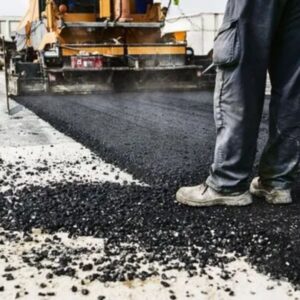
Construction Materials Testing and Inspection Services
Construction material testing is the process of examining and analyzing the physical, chemical, and mechanical properties of materials used in construction. This is done to ensure that the materials are suitable for their intended purpose, meet quality standards, and will perform reliably under various conditions.
Ensuring compliance to project specifications
Why is Construction Material Testing Important?
Testing materials is crucial for several reasons:
Safety: It ensures that structures are built with materials strong enough to withstand loads, environmental factors, and natural disasters. This prevents structural failures and protects lives.
Quality Control: It verifies that materials meet specifications and standards, ensuring consistency and a high-quality finished product.
Cost-Effectiveness: It helps avoid the use of substandard materials that could lead to costly repairs, delays, or even a complete rebuild.
Compliance: It ensures that projects adhere to building codes, regulations, and industry standards set by organizations like the ASTM (American Society for Testing and Materials) or IS (Indian Standards).
Durability: It predicts how long a material will last and how it will react to long-term exposure to elements like water, heat, and chemicals.
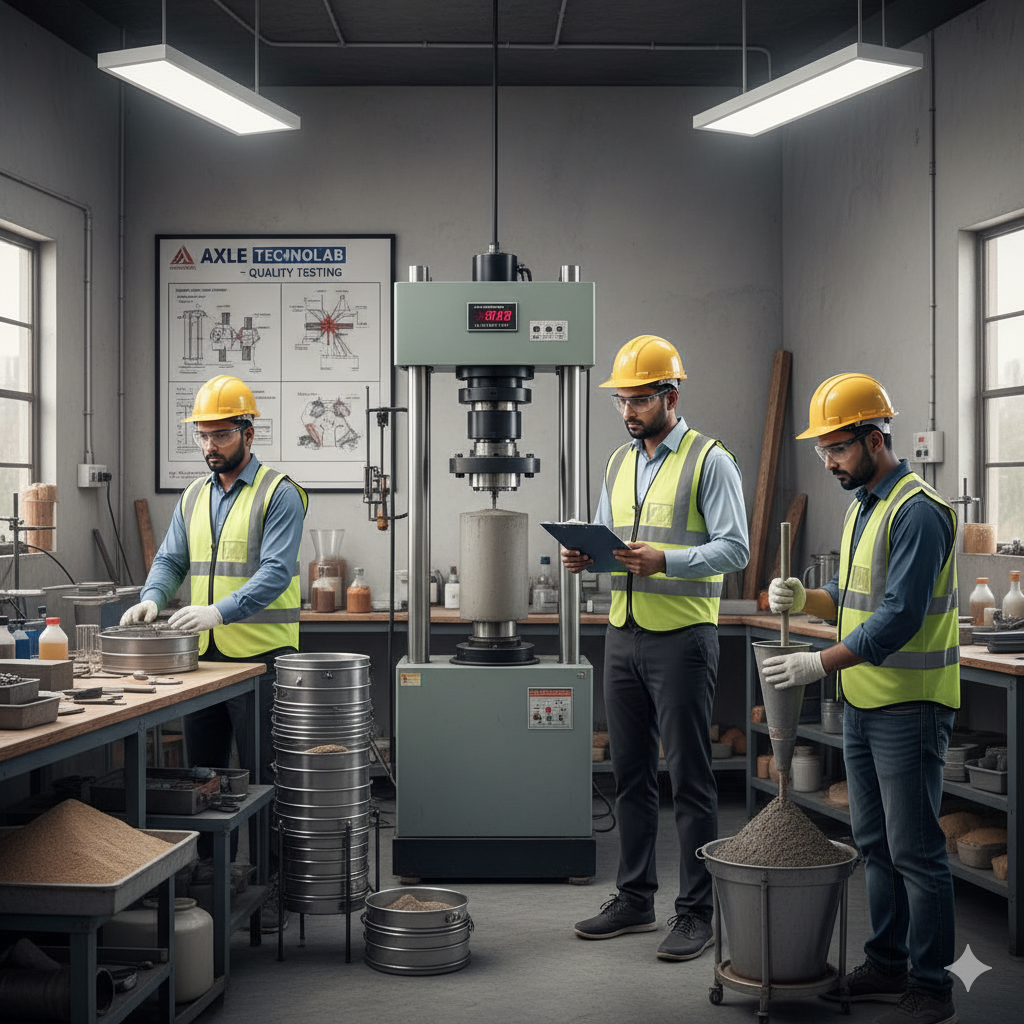
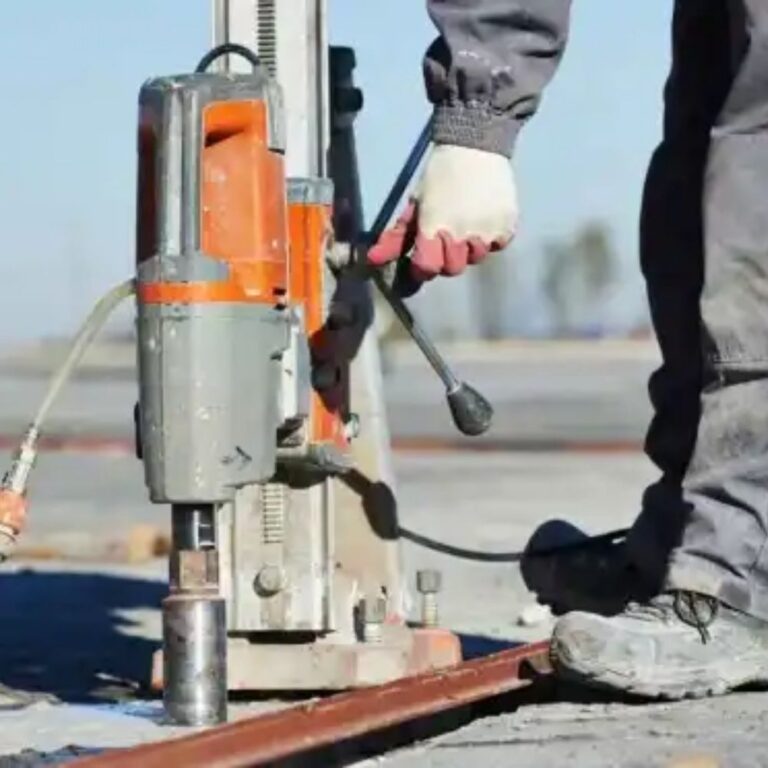
Why Construction Material Testing Matters for Your Projects
Ensuring the safety and proper functioning of electrical systems is crucial in any home, business, or industry. India has established comprehensive electrical regulations to achieve this goal. Here’s a breakdown of what you need to know:
Safety First:
Testing guarantees that materials meet the necessary strength and durability standards. This helps prevent structural failures that could lead to accidents, injuries, or even fatalities.
Right Material, Right Place:
Different materials have different properties. Testing helps identify the most suitable materials for a specific application. Using unsuitable materials can lead to inefficiencies, performance issues, and even structural problems down the line.
Quality Assurance:
Testing verifies that the materials being used comply with building regulations and industry standards. This protects everyone involved in the project from legal and financial repercussions in case of non-compliance.
Cost-Effectiveness:
While testing adds an initial cost, it prevents bigger problems later on. Faulty materials can lead to costly repairs, replacements, and project delays. Testing helps identify and address issues early on, saving time and money in the long run.
Long-Term Investment:
By ensuring strong, durable materials, testing contributes to the overall lifespan and performance of the building. This translates to lower maintenance costs and a better return on investment for the building owner.
What we offer
Construction Material Testing Services
Soil Testing
Soil testing in construction (or geotechnical investigation) is the process of examining and analyzing the physical, mechanical, and chemical properties of the soil at a site. This is a critical first step before any structure (like a building, road, or bridge) is built to ensure the foundation will be safe, stable, and durable.
Structure NDT
The term “structure NDT test” refers to Non-Destructive Testing (NDT) methods used to evaluate the integrity, composition, and condition of structural materials (like concrete, steel, and composites) without causing permanent damage.The structure of NDT involves a wide range of techniques, each utilizing different physical principles to detect flaws or assess material properties.
Concrete Testing
Concrete testing is the quality control process in civil engineering used to assess the properties of concrete—both in its fresh (plastic) and hardened states—to ensure it meets the design specifications for strength, durability, and workability.Testing is crucial for compliance with building codes and the safety and longevity of the structure.
Water Testing
Water testing is the comprehensive process of analyzing the quality, composition, and safety of a water sample. It is crucial for ensuring water is safe for drinking, suitable for industrial processes, and healthy for aquatic ecosystems.Water quality is assessed by measuring three main categories of parameters: Physical, Chemical, and Biological.
Road Testing
Road testing in construction refers to the comprehensive Quality Control (QC) and Quality Assurance (QA) procedures conducted on materials and completed layers of the pavement structure to ensure they meet engineering design specifications for strength, stability, and longevity.These tests are performed at every stage, from preparing the subgrade to laying the final surface course.